

Humidity is a total nightmare. One minute the hair looks smooth in the bathroom mirror. Ten minutes outside and it looks like a lightning bolt hit the head. This is the daily grind for millions dealing with unwanted volume and annoying flyaways. Everyone wants that glass-like finish from the glossy magazines. But getting it usually feels like a losing battle. Finding the best shampoo for frizzy hair is the first real move toward winning. It is not just about a clean scalp. It is about chemistry. It is about moisture. It is about staying sane in a world full of damp air and heat damage.
The Science Of The Frizz Monster
Hair is basically a stack of tiny shingles on a roof. These shingles form the cuticle. This is the outermost layer of the strand. When hair is happy and hydrated, these shingles lay flat. The surface stays smooth. Light reflects off it like a mirror. But when the hair gets thirsty, those shingles start to lift up. They reach out into the air to grab any moisture they can find. The hair shaft then swells up as it drinks in the humidity. This is why the hair poofs out the second the rain starts.
Damage makes this whole mess worse. Flat irons and cheap dyes rip at those shingles. They create massive holes in the hair’s defense system. Once that cuticle is broken, the best shampoo for frizzy hair is a medical necessity. It acts like a patch for those structural gaps. Without it, the hair is just a dry sponge. It will react to every bit of steam or mist in the air. People in the tropics know this pain well. The air is literally trying to force its way into every strand.
Reading Labels Without A Degree
Flip the bottle over and look at the fine print. The list looks like a science experiment gone wrong. But a few names really matter. Glycerin is the heavy hitter for hydration. It is a humectant. This means it drags moisture into the hair and locks the door. It stops the strand from hunting for water outside. Then there are the natural oils. Argan oil is basically liquid gold. It is full of fatty acids that coat the hair without making it look like a grease bucket.
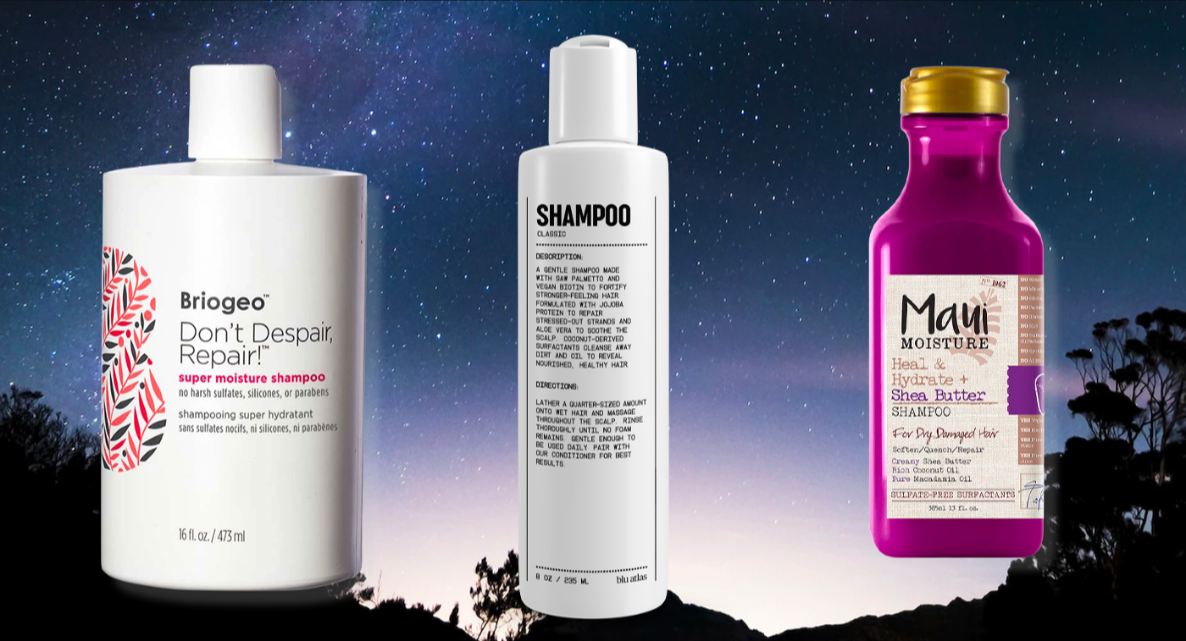
Coconut oil is another major player. It goes deeper into the hair than most other stuff. It helps keep the protein inside during the wash. Shea butter is the big gun for thick or coarse hair. It provides a heavy seal that keeps the cuticle pinned down tight. Keratin is a must for anyone with heat damage. It fills in the cracks along the shaft. But watch out for the bad guys. Sulfates are aggressive detergents. They make a lot of bubbles but they are thieves. They steal the natural oils that protect the hair. The best shampoo for frizzy hair usually skips these harsh chemicals entirely.
The High Cost Of Scrubbing Hard
Most people are way too rough in the shower. They scrub the scalp like they are cleaning a dirty kitchen floor. This friction is a disaster for the cuticle. Wet hair is incredibly weak. It stretches and snaps if someone pulls too hard. Nobody should wash their hair every single day. That is a recipe for permanent dryness. Three times a week is the sweet spot. It lets the natural oils move down the strand. Those oils are the best anti-frizz treatment money can’t buy.
Water temperature is another hidden killer. A hot shower feels great on a cold day. But hot water is an enemy of smooth hair. It forces the cuticle wide open. All the good moisture just leaks out. Lukewarm water is what the pros use. And the towel? Stop rubbing. Using a rough cotton towel is a huge mistake. It creates thousands of tangles and breaks the ends. A microfiber towel or a soft old t-shirt is the way to go. Gently squeeze the water out. Do not twist. This one change can fix half the frizz before any product hits the hair.
Pro Secrets From The Salon Floor
Industry veterans have seen every disaster imaginable. Sarah Miller has spent decades behind a salon chair. Sarah Miller says “less is more” when it comes to touching the hair. She tells clients to use a wide-tooth comb while the conditioner is still in. This makes sure every single strand gets coated. It also stops the violence of brushing through dry knots later. Sarah Miller thinks the last thirty seconds of a wash are the most vital. A blast of ice-cold water is the secret weapon.
It feels terrible. But that cold water shocks the cuticle into closing up. It locks in the ingredients from the best shampoo for frizzy hair. This creates a flat surface that shines. Sarah Miller also warns against the “product pile-up.” People try to hide frizz with layers of heavy creams. This just makes the hair look dirty and flat. Start with a clean base in the shower. If the wash is done right, the styling part is easy. Consistency is the only way to change how hair behaves for good.
Weathering The Storm Of Humidity
Humidity is the ultimate test for any routine. On a dry day, a cheap shampoo might work. But when the air gets heavy, the truth comes out. Hair that lacks moisture inside will always freak out. It is looking for balance. A high-quality wash creates a physical wall. It makes a layer that hates water. This means the moisture in the air just bounces off the strand.
Seasons change and the routine should too. Winter needs heavy creams to fight the dry indoor heat. Summer needs light sealants that still pack a punch. Many smart people keep two different bottles in the shower. This lets them switch based on the morning weather report. Using the best shampoo for frizzy hair designed for high humidity can save hours of styling. It is about being smarter than the weather. If the hair is already full of good moisture, it has no room for the bad stuff.
Matching The Bottle To The Mane
Texture is the most important factor. Fine hair is a tricky balance. It needs to be smooth but it also needs to stay fluffy. Heavy shea butter will make fine hair look like a wet noodle. For this type, look for silk proteins. Coarse hair is a totally different beast. It can handle the heavy stuff. It needs the weight to keep the volume down. This is where the rich butters really shine.
Curly hair is naturally the driest of them all. The scalp oils have a hard time traveling down those spirals. This hair type needs heavy conditioning at every single step. It is not just about stopping the frizz. It is about making the curls look sharp. Straight hair that gets frizzy is usually just damaged. It needs smoothing agents that provide a high shine. The search for the best shampoo for frizzy hair has to start with an honest look at the hair’s health.
Beyond The Bathroom Sink
Hair health is a 24-hour job. It does not stop when the shower turns off. Nutrition is a massive part of the equation. Omega-3 fatty acids are the building blocks for healthy hair. Eating salmon or walnuts can actually change how the hair feels over time. Drinking enough water is also key. A dry body cannot make a healthy scalp. If the scalp is dry, the hair will be a mess.
Sleep habits matter too. Cotton pillowcases are actually very scratchy. They suck the moisture right out of the hair while someone sleeps. Switching to a silk or satin case is a total game-changer. It lets the head slide around without catching. This stops the “bedhead” frizz that people usually try to fix with heat. Also, watch out for the sun. UV rays cook the hair. They break down the proteins and dry out the ends. Wearing a hat or a protectant spray is a must for long-term health. The best shampoo for frizzy hair can only do so much if the sun is frying it every day.
FAQs
How often should I wash frizzy hair?
It is best to wash frizzy hair about three times a week. Over-washing strips away natural oils that are essential for keeping the hair cuticle smooth and hydrated.
Does hot water make frizz worse?
Yes. Hot water forces the hair cuticle to open up, allowing moisture to escape and causing the hair to poof out. Always use lukewarm water and finish with a cold rinse.
Should I avoid sulfates in my shampoo?
Absolutely. Sulfates are harsh detergents that steal the protective oils from your hair. Look for sulfate-free formulas to maintain better moisture balance.